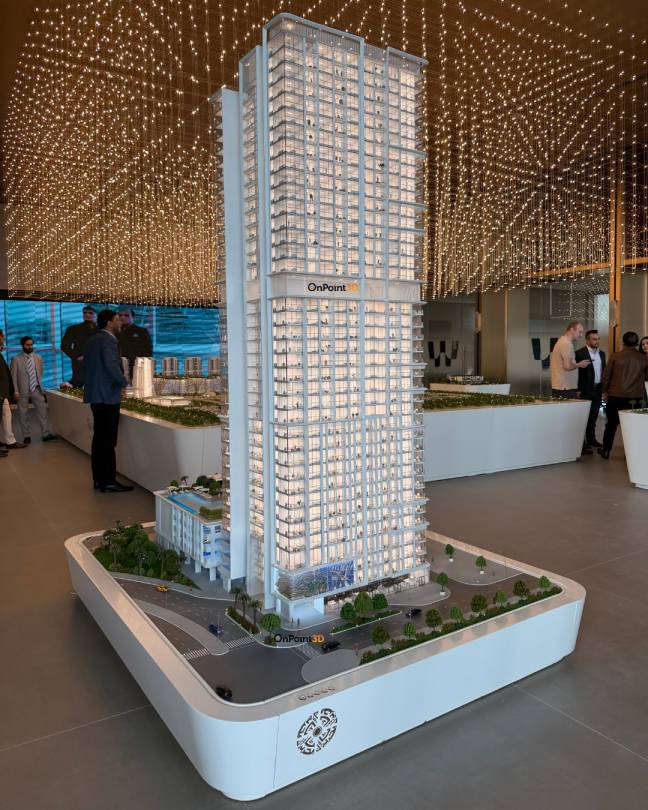
Architects now use screens for almost every task, yet the impact of holding a miniature building remains unmatched. While a computer screen shows a flat image, a physical structure offers a real sense of scale and depth. Creating these tangible versions is a specialized skill, and many firms rely on a professional model maker to bring their ideas to life.
Sensory feedback and scale:
Holding a small version of a building helps you grasp the true size of a room. It is hard to feel the height of a ceiling or the width of a hallway on a tablet. A physical object allows you to move around it and see how different parts connect. This hands-on experience gives a better sense of space that a digital picture simply cannot match.
Better communication with clients:
Clients sometimes find it hard to read complex blueprints or technical digital files. A real model is easy for anyone to look at and understand right away. It serves as a great tool for meetings because people can point at specific areas and talk about changes. This clear way of sharing ideas helps avoid confusion.
Natural light and shadows:
Computers try to copy how sun hits a wall, but nothing beats actual light. You can take a physical model outside or use a lamp to see how shadows fall at different times. This helps architects see how the sun will affect the comfort of a home or office. It provides a level of honesty about the design that a digital render might hide with filters.
Spotting design flaws early:
Building a physical version forces you to think about how materials actually fit together. Sometimes a design looks great on a screen but is impossible to build in the real world. When you glue pieces together, you might notice a corner that is too tight or a roof that looks odd. Finding these issues early saves a lot of time and money during the actual construction phase.
Emotional connection and impact:
There is something special about a miniature world that captures the heart. People feel a stronger bond with a project when they can walk around it and see it from every angle. It feels more real and exciting than a glowing screen. This emotional pull is very helpful when trying to win a contest or convince a community that a new building is a good idea.